

Pediatric Ratcheting Hemorrhage-Control Tourniquet - RMT
Pediatric Ratcheting Hemorrhage-Control Tourniquet - RMT
Couldn't load pickup availability
Child-size extremity hemorrhage control
Pediatric Ratcheting Medical Tourniquet (RMT)
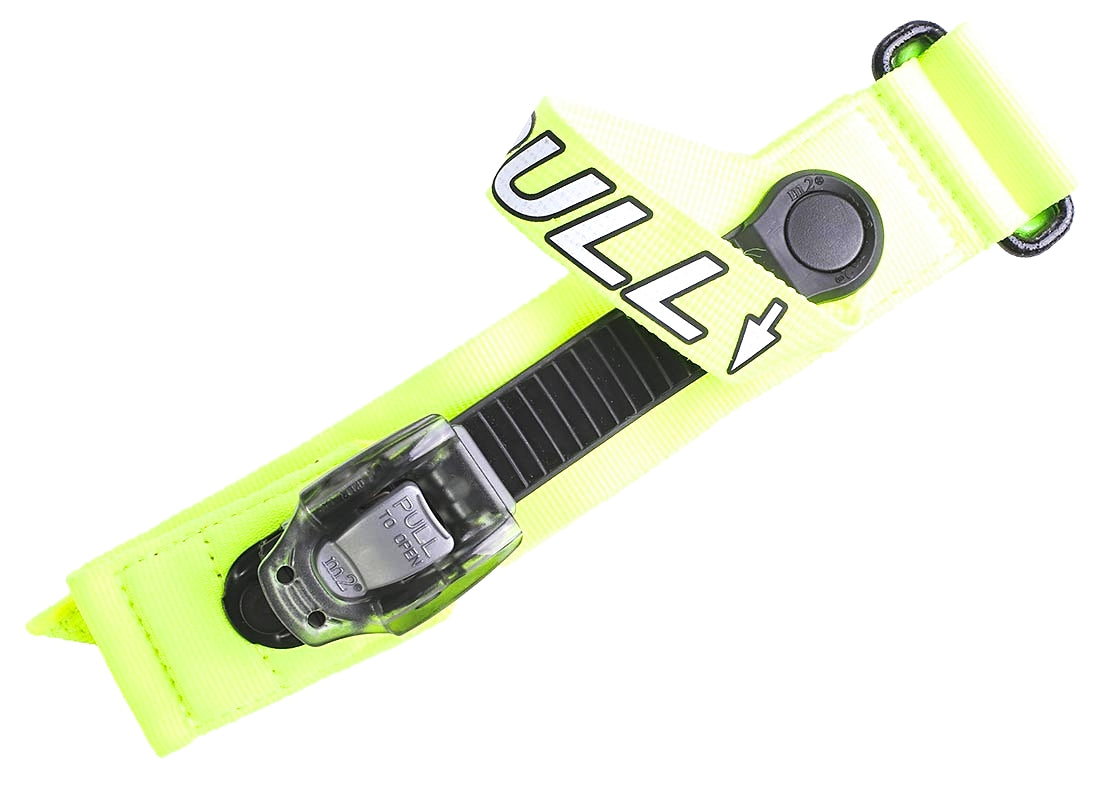
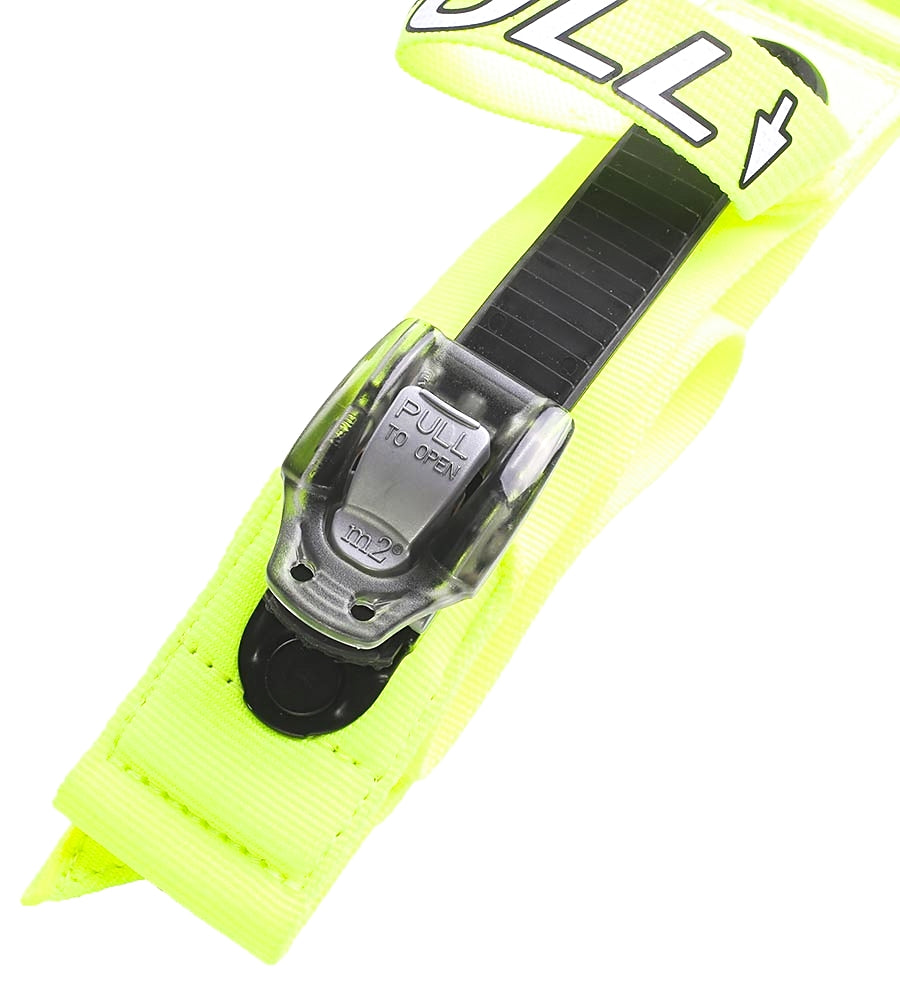
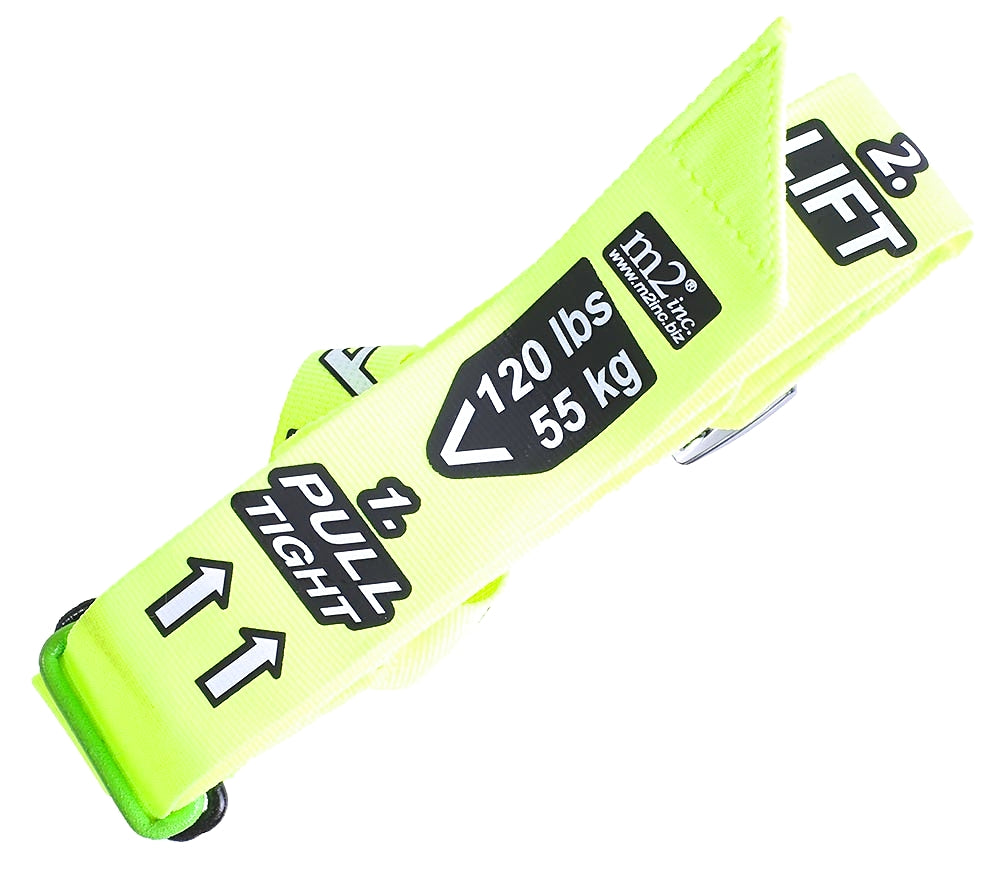
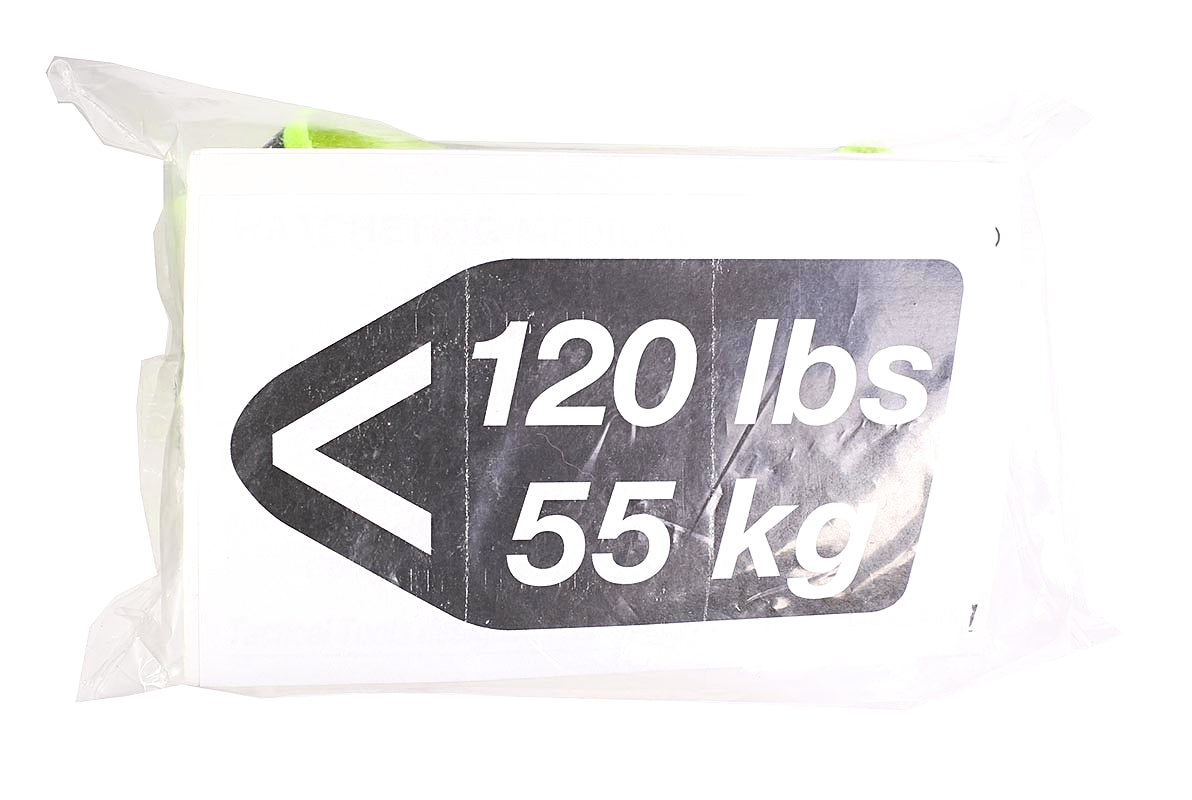
A child-focused extremity tourniquet designed for pediatric and smaller patients under 120 lb, using a low-tensile-strength ratcheting buckle with an integrated safety stop to help deliver controlled, adjustable pressure on smaller limbs.
- For children and smaller patients
- Low-tension ratcheting buckle
- Integrated safety stop
- Single-hand-capable
Why a pediatric-specific RMT?
- Sized for smaller limbs: Designed for children and smaller patients under 120 lb, where adult tourniquets may not tighten appropriately.
- Controlled mechanical tightening: The ratcheting system provides incremental adjustment rather than windlass twisting.
- Lower-tensile buckle: Built to apply adjustable pressure on pediatric and geriatric limbs with more restraint than adult-focused configurations.
- Integrated safety stop: Intended to help limit over-tightening during application on smaller extremities.
- Single-hand-capable operation: Compact construction and gross-motor ratcheting support emergency use when fine dexterity is limited.
- Emergency-kit friendly: Sized for school, church, vehicle, range, and family trauma kits where pediatric casualties may be encountered.
Built for real pediatric preparedness
The Pediatric RMT is for schools, churches, camps, youth sports, and other settings where child-size limbs are common and adult-only trauma kits may leave responders improvising. Their pediatric preparedness guidance emphasizes placing child-capable kits near gyms, cafeterias, main offices, and other high-traffic areas so responders can reach a properly sized device quickly.
The Ratcheting Design in Practice
The Pediatric RMT keeps the core RMT concept with incremental, self-securing ratcheting pressure, but adapts it for smaller extremities by pairing that mechanism with a lower-tension buckle and a safety stop. That makes the device easier to stage in mixed-population trauma kits where the responder may need a tool that can fit small limbs without defaulting to an adult-only design.
Specifications
| Product type | Pediatric ratcheting extremity tourniquet |
|---|---|
| Patient range | Children and smaller patients under 120 lb |
| Tightening system | Low-tensile-strength ratcheting buckle |
| Safety feature | Integrated safety stop |
| Application | Single-hand-capable operation |
| Intended role | Extremity hemorrhage control on pediatric and smaller limbs |
| Suggested kit placement | School, church, youth sports, vehicle, family, and community trauma kits |
Training matters
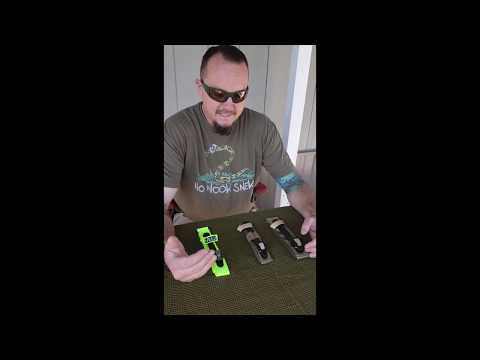
Pediatric RMT guidance recommends training users (including children) to recognize life-threatening extremity bleeding, apply the Pediatric RMT high and tight, ratchet until bleeding stops or pulses are absent, and document time of application. Practice should be done with the exact model carried so responders understand its buckle feel, strap path, and stopping point.
Share


I carry one of these when I hike or drive with my grandchildren. Great Idea. I have been carrying the adult models for several years in a go bag, blow out kit and in my car.
For Dogs as well as Women & Children.
I built my twins a ifak/diaper bag the kids tourniquets are must as well as dechokers.
If you have kids this is a must have, if you carry a rats TQ for your kids throw that in the trash and get this. I’m teaching my 5 year old to use it, it’s so easy she can start to understand how to use it.
I have owned several different brands of tourniquet and carried them for personal as well as professional armed security use. My opinion is that this pediatric/ small individual tourniquet is by far the best on the market identical in function to the full size RMT. Fast to deploy and able to be used multiple times in training without breakage or degradation of the system. If you don’t have them in you kit you are wrong.