
Tooth-by-tooth adjustment
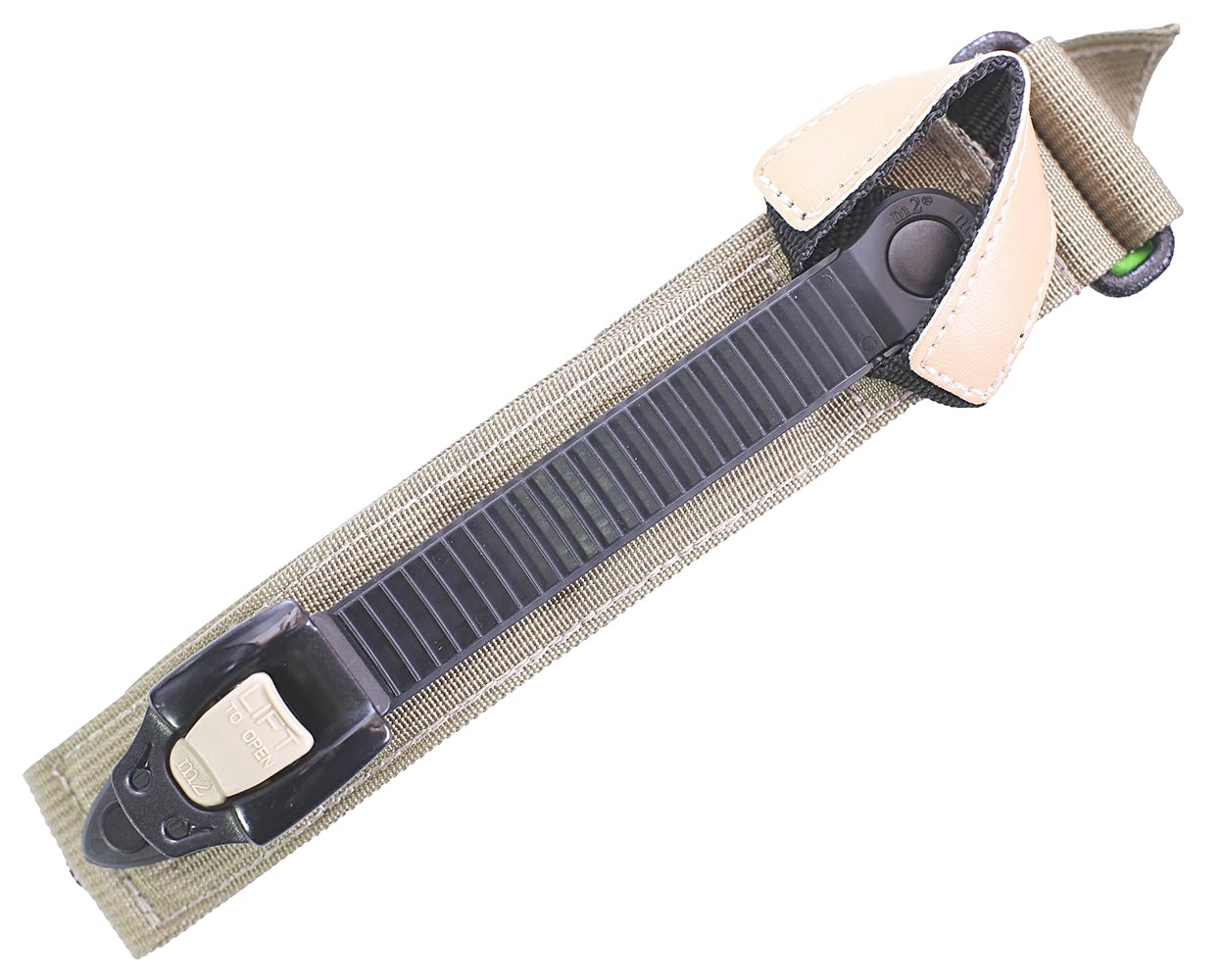
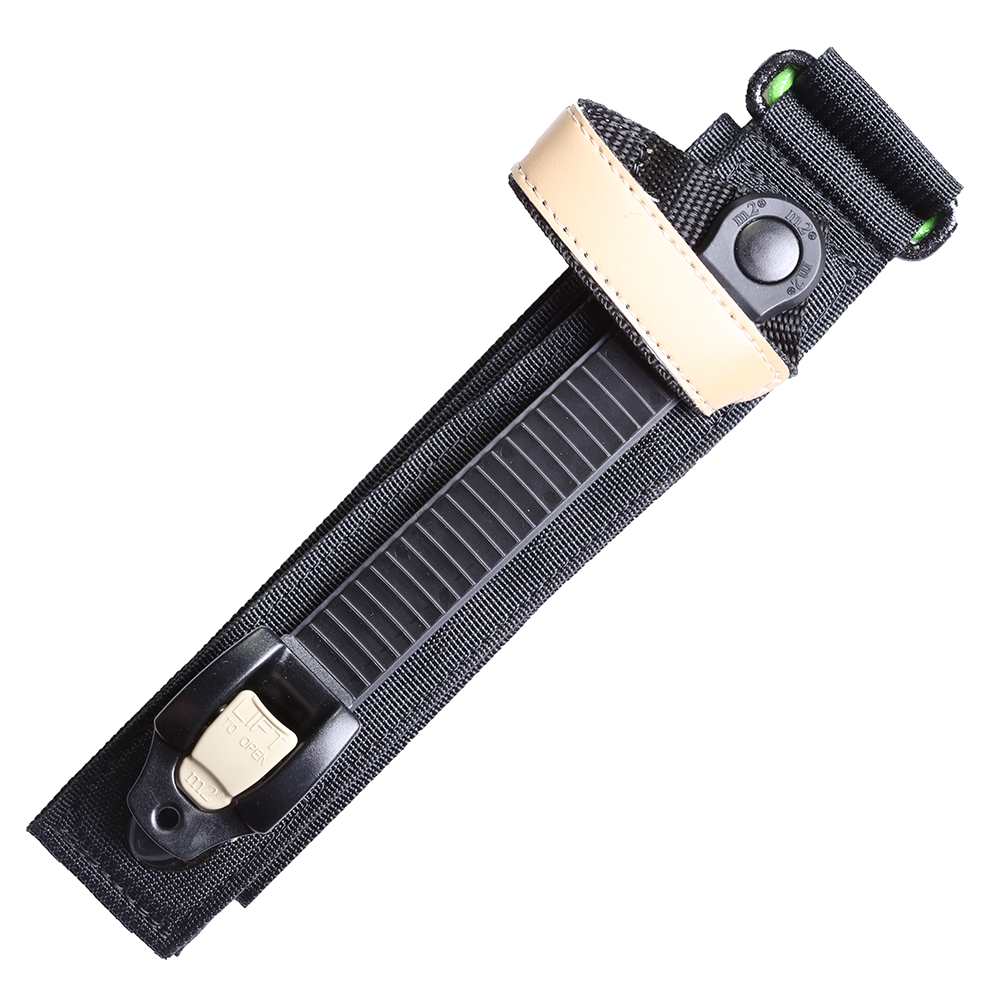
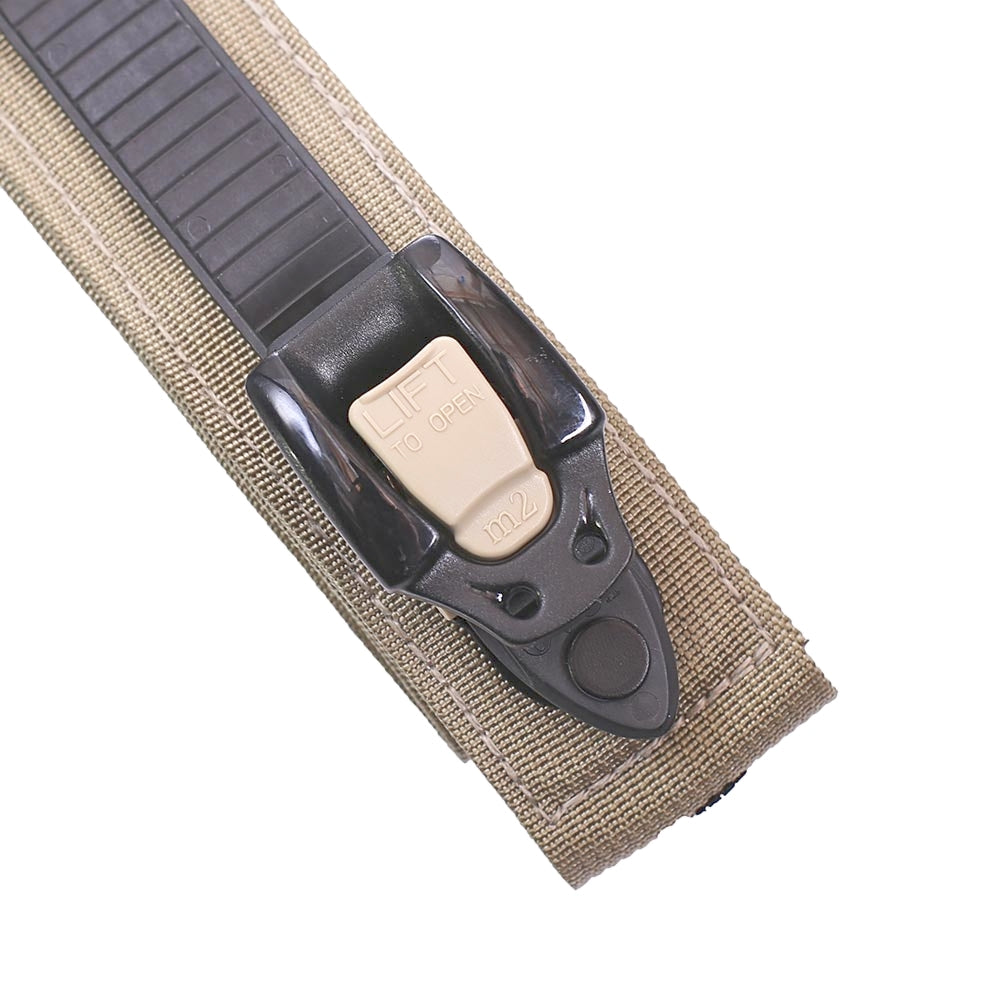
Each click advances the ladder strap incrementally, allowing tightening in small mechanical steps until bleeding is controlled and, when appropriate, the distal pulse is absent.
Questions? Text (267) 571-6661 or email info@vdev.group

Couldn't load pickup availability
Tactical extremity hemorrhage control
A compact extremity tourniquet that uses a self-securing ratchet to provide controlled, incremental tightening without a windlass rod. Designed for trained military, law-enforcement, EMS, and prepared civilian users.
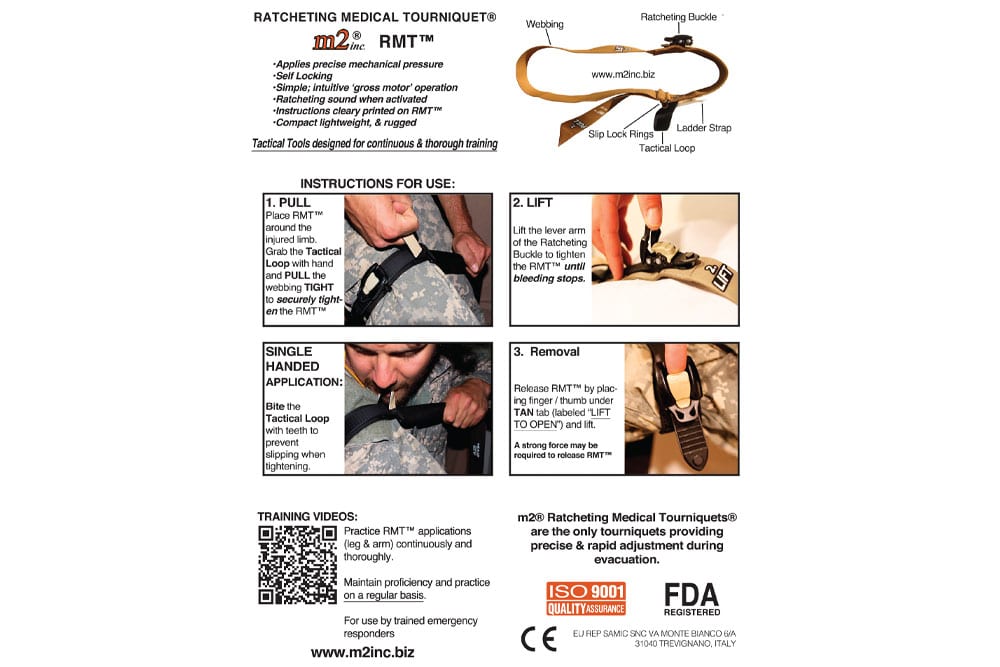
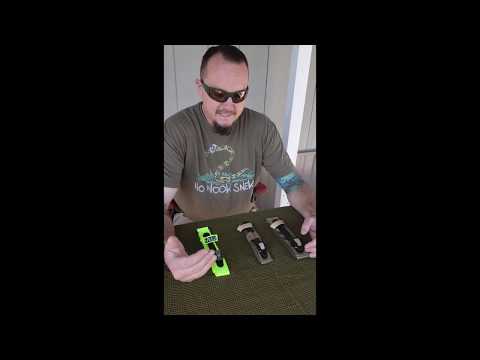
The RMT overview explains how the ratcheting platform is intended to simplify tightening and adjustment.
Each click advances the ladder strap incrementally, allowing tightening in small mechanical steps until bleeding is controlled and, when appropriate, the distal pulse is absent.
The ratchet holds its position after each advance. Unlike a windlass design, there is no rod that must be secured in a retaining clip after tightening.
The RMT is configured for one-handed application and adjustment. This can support self-aid and use where reach or mobility is limited, but effective use still requires model-specific practice.
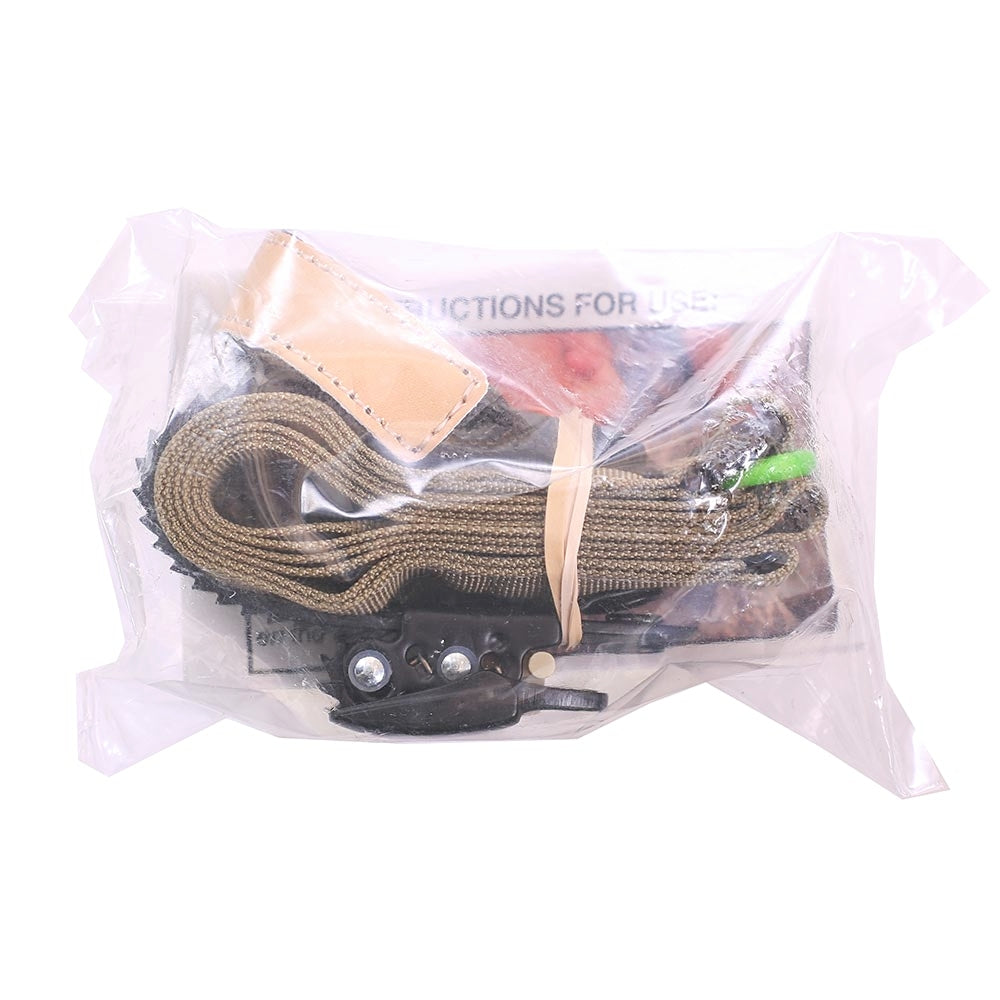
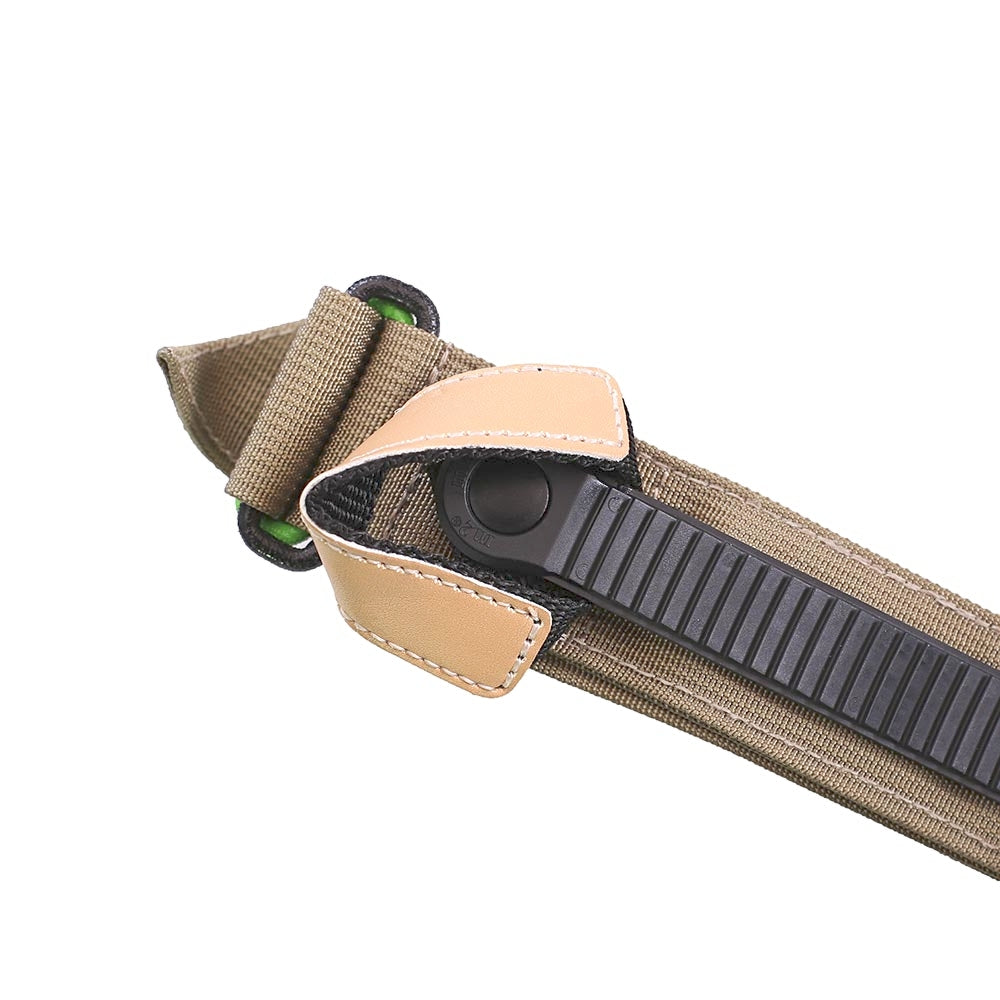
A strap-retention tri-glide is intended to help the webbing travel through the application path without binding. Initial slack must still be removed before relying on the ratchet for final tightening.
The buckle converts repeated hand movements into progressive strap tension. It is intended to reduce the grip and twisting demands associated with rotating a windlass, although individual ability and conditions vary.
The source article emphasizes practicing with the RMT mechanism. Inspect training and carried devices according to manufacturer guidance, and replace a device that is contaminated, worn or damaged.
In a simulated-arm study involving 176 untrained adults, the RMT had the highest effective-application rate among four tested tourniquets, at 64.4%, and the shortest mean application time.
“The RMT was the most effectively and most rapidly applied.”
A healthy-volunteer study of Tactical and Mass Casualty RMT configurations reported that 99% of RMT applications reached initial arterial occlusion; 1% lost occlusion during the one-minute observation. Participants rated RMT application “97% easy.”
A 2023 study had 64 participants apply eight tourniquet designs, including the Tactical RMT. Across the evaluated devices, ratcheting systems had fewer tightening-system mechanical problems than windlass systems.
“Self-securing systems have process advantages.”
In a companion analysis, the Tactical RMT recorded a median 6.45 seconds from touching the tightening mechanism to a completed, occlusive, and secure application in qualifying applications that began with an adequately tightened strap.
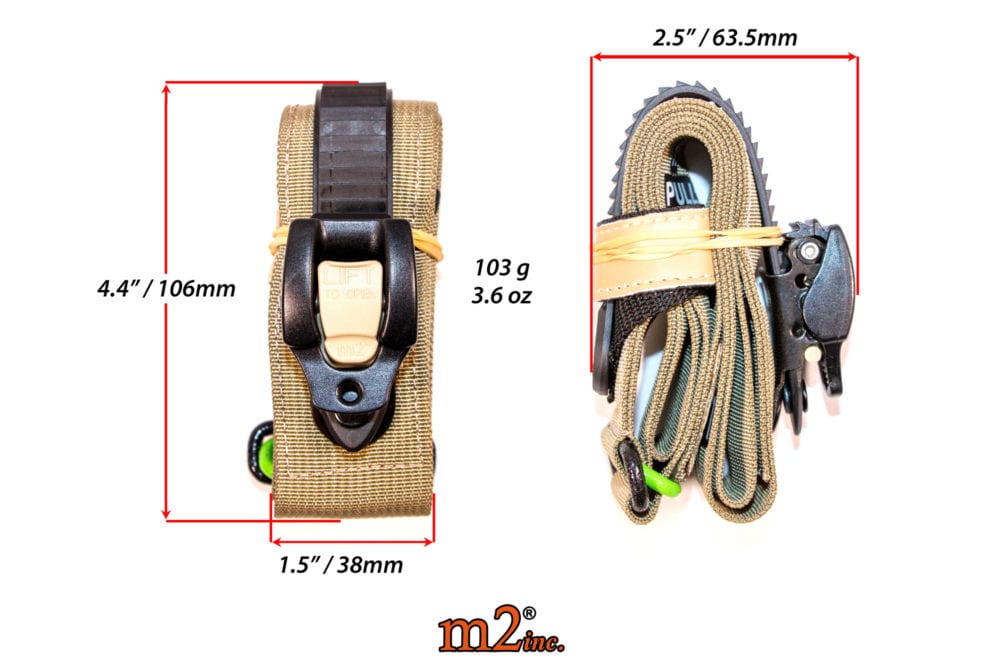
| Webbing width | 1.5 inches / 38 mm |
|---|---|
| Ratchet mechanism | 0.75-inch m2 buckle and ladder strap |
| Approximate weight | 0.23 lb / 103 g / 3.6 oz |
| Approximate folded size | 4.4 × 1.5 × 2.5 inches |
| Available colors | Tan or black, subject to inventory |
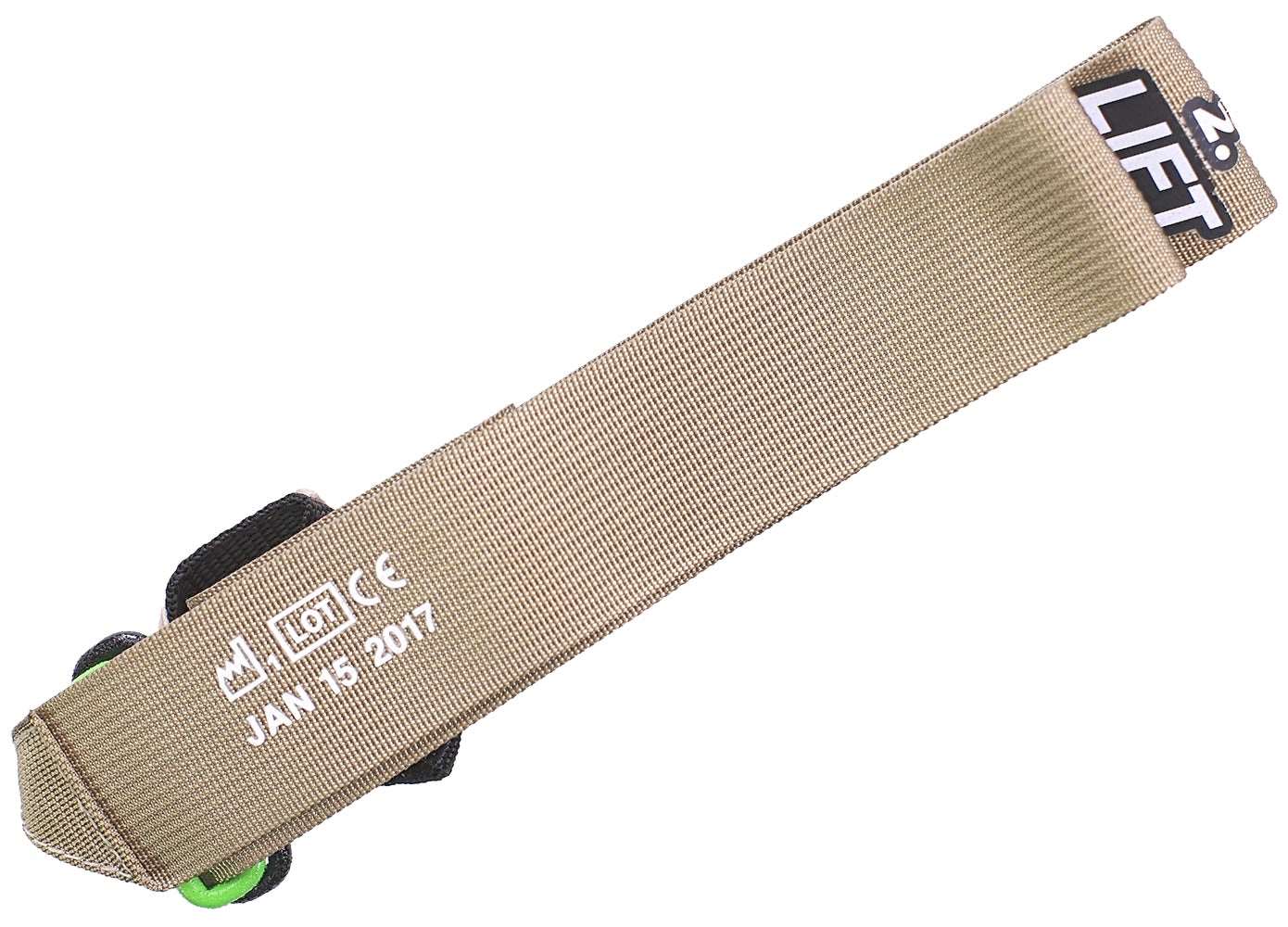
| Instructions | Printed on webbing |
| NSN | 6515-01-527-3841 |
| Recommendation | CoTCCC-recommended RMT-T configuration |
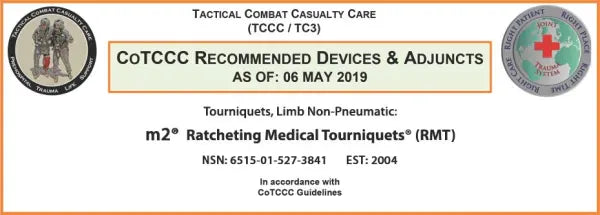
The Committee on Tactical Combat Casualty Care’s 2019 review included the Tactical RMT among its recommended nonpneumatic limb tourniquets. This applies specifically to the Tactical RMT, not every civilian or alternate RMT model.
A controlled study involving nonelastic tourniquets, including the RMT, found that applied pressure can decline within minutes. This supports continued reassessment rather than assuming that initial occlusion will persist.
Effective tourniquet use depends on recognizing life-threatening bleeding, tightening completely, and verifying that bleeding has stopped. Receive hands-on instruction and practice with the exact model you carry.


The RMTs are the only ones to use. These are top quality.
This tourniquet will save your life or somebody else’s. Very easy to apply.
Purchases two, carry one on your person and one in your vehicle.
Been eye f’n this thing fora long time and finally pulled the trigger. Much easier to use than expected very intuitive. Prob best on market for self application in an emergency
The tourniquets work like they should. Are easy to use and look good. They arrived sooner than I expected along with a copy of the Constitution and a sticker to boot!
Thank you guys!
The product itself is worth every dollar! I have not been nor am I looking forward to be, in a situation where I need to use the RMT but with just the fact that I have it and carry it always on myself is a relief. It is simple to use, perfect for one hand operations, with good practice one can use it with ease. I can see how when it was crafted, all possibilities were thought of. Overall, it is a must have for those who EDC, and take their life seriously.